Source iot sharing electric scooter for travel, last-mile, and campus use
Compare 30 iot sharing electric scooter models with 250W motors and 40-60km range. Buyers can evaluate specifications like battery capacity, braking systems, and waterproof ratings from verified suppliers in China.
Key considerations
Products List
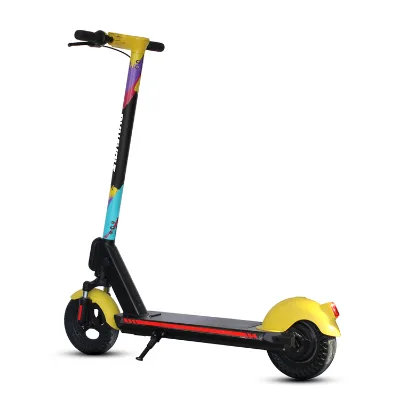


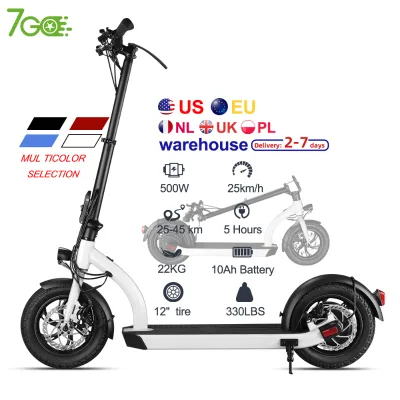


Comprehensive Sourcing Guide
Strategic Sourcing Guide for IoT-Enabled Sharing Electric Scooters
The global shift toward micro-mobility has elevated the demand for IoT-enabled sharing electric scooters, transforming urban transit landscapes. For procurement professionals, sourcing these units requires a nuanced understanding of technical specifications, regulatory compliance, and the specific operational constraints of shared fleets. This guide synthesizes available product data to provide a disciplined framework for evaluating suppliers and selecting the right assets for deployment. The focus remains on evidence-based criteria derived from observed market listings and verified product attributes, ensuring that procurement decisions are grounded in factual reality rather than speculative marketing claims.
Technical Architecture and Performance Specifications
The core of any sharing scooter procurement lies in the technical architecture, which dictates operational efficiency and durability. Based on observed product data, the standard configuration for this category typically features a 250W brushless motor. This power output is consistent with regulations in many jurisdictions that cap motor power to ensure safety in shared environments. The vehicle is designed with a 36V battery system, often utilizing a capacity range between 10Ah and 20Ah, with specific observed configurations citing a 36V * 14.5Ah setup. This voltage and capacity combination generally supports a range per charge of 40 to 60 kilometers, a critical metric for fleet managers aiming to maximize daily utilization before requiring a recharge cycle.
Charging infrastructure compatibility is another vital technical consideration. The observed data indicates that these units support multiple plug types, including Japanese, US, and European plugs, which suggests a degree of adaptability for international deployment. However, buyers must verify the specific charging time, which is observed to range between 4 and 5 hours. In a high-turnover sharing model, this duration directly impacts fleet availability. The braking system is predominantly disc-based, offering superior stopping power compared to drum brakes, which is essential for safety in dense urban traffic. Furthermore, the suspension system is typically front-mounted, designed to absorb shocks from uneven pavement, thereby protecting the internal electronics and improving rider comfort.
The physical construction relies heavily on aluminum alloy, providing a balance between weight reduction and structural integrity. The single gross weight of these units is observed to be approximately 20.5 kg, a figure that influences logistics costs and handling requirements for maintenance teams. The maximum load capacity varies in observed listings, with some units rated for 120 kg and others up to 150 kg. Procurement teams must align the selected model's load rating with the demographic profile of their target user base to prevent premature mechanical failure. The tire size is consistently observed as 10 inches, a standard dimension that offers a compromise between portability and ride stability.
Compliance, Certification, and Regulatory Alignment
Navigating the regulatory landscape is perhaps the most critical phase of sourcing IoT scooters. Unlike consumer-grade devices, sharing scooters often face stricter scrutiny regarding safety and environmental standards. The observed product data presents a complex picture of certifications, listing various marks such as CE, EEC, ENCQC, ISO, EPA, COC, and DOT. While the presence of these certifications in listings is a positive indicator, buyers must treat them as observations of supplier claims rather than guaranteed compliance for every unit. The distinction between "Patented Product: No" and the presence of specific certifications highlights that while the design may be generic, the safety testing can still be rigorous.
Buyers must verify that the specific batch they intend to purchase holds valid, current certifications for the target market. For instance, the CE mark indicates conformity with health, safety, and environmental protection standards for products sold within the European Economic Area, but it does not automatically imply compliance with US DOT regulations or Chinese safety standards. The data also notes a "Standard" specification listing a 120W motor, which conflicts with the 250W motor specification observed elsewhere. This discrepancy underscores the necessity of validating the exact model number, such as L1 or KDS-DC01, against the regulatory requirements of the deployment region. A scooter compliant with a 120W standard may not be legal for use on public roads in jurisdictions requiring higher power outputs, or vice versa.
Furthermore, the waterproof rating is a key compliance and durability factor. The product attributes list "waterproof" as a feature, which is essential for outdoor sharing operations exposed to rain. However, buyers should request specific IP rating documentation (e.g., IP54, IP65) to ensure the electronics, particularly the intelligent controller and battery management system, can withstand the expected environmental conditions without failure. The absence of a patent on the product design suggests that the market is competitive and that intellectual property risks may be lower, but it also implies that the technology may be less differentiated, making quality control even more vital.
Cost Drivers and Economic Considerations
The economic viability of a sharing scooter fleet is driven by a combination of unit cost, operational efficiency, and lifecycle management. The observed price range for these units spans from $35 to $2,450 USD. This wide variance is likely attributable to differences in battery capacity, motor power, build quality, and the inclusion of advanced IoT features. The lower end of the spectrum may represent basic models with minimal smart capabilities, while the higher end likely includes units with robust battery packs, advanced locking mechanisms, and comprehensive telematics.
The Minimum Order Quantity (MOQ) is another significant cost driver, with observed ranges from 1 to 500 units. For startups or pilot programs, a low MOQ allows for market testing without excessive capital commitment. However, larger fleets benefit from economies of scale, often securing better unit pricing and reduced shipping costs per item. The packaging style, noted as "Foam + Export Carton" or "Color Box," also impacts logistics costs. Bulkier packaging, such as the observed single package size of 120x30x40 cm, increases the volume of goods shipped, thereby raising freight expenses. Buyers should calculate the total landed cost, including shipping, duties, and insurance, rather than focusing solely on the FOB price.
Maintenance costs are intrinsically linked to the product's durability. The use of aluminum alloy and brushless motors generally reduces long-term maintenance needs compared to steel-framed or brushed-motor alternatives. However, the battery is the most expensive consumable component. With a charging time of 4-5 hours and a range of 40-60 km, the battery's cycle life will determine the total cost of ownership. Buyers should inquire about the expected cycle life of the lithium battery and the cost of replacement, as this will significantly influence the financial model of the sharing service.
Operational Applications and User Demographics
The intended application of the IoT sharing scooter dictates the specific features required. The product attributes list "Travel" as the primary use case, but in a sharing context, this translates to last-mile connectivity, campus transportation, and short-distance urban commuting. The "Unisex" applicability and the maximum load capacity of up to 150 kg suggest that these scooters are designed for a broad demographic, including adults of varying sizes. The "Electronic" and "Digital" smart types, combined with "App Control," indicate that these units are built for a connected ecosystem where users can locate, unlock, and pay for rides via a mobile application.
The folding capability is a crucial operational feature. While some observed listings specify "Foldable," others list "Non-Foldable." For sharing fleets that require storage in compact spaces, such as inside vehicles or small kiosks, a foldable design is essential. The non-foldable models may be better suited for dedicated docking stations or areas with ample storage space. The display type, observed as LCD, provides riders with essential information such as speed, battery level, and mode selection, enhancing the user experience. The lighting system, comprising a front light and tail light, is mandatory for night-time operations and safety compliance in many cities.
The "Self Balancing" attribute is also notable. While traditional scooters rely on rider balance, self-balancing technology can reduce the learning curve for new users and potentially increase safety. However, this feature adds complexity to the electronics and may require more sophisticated maintenance. Buyers must ensure that the IoT integration allows for real-time monitoring of the self-balancing system to detect and prevent potential failures before they result in accidents.
Supplier Evaluation and Quality Assurance
Evaluating suppliers for IoT sharing scooters requires a rigorous approach to quality assurance. The observed data indicates that the place of origin is primarily Jiangsu, China, with some references to Zhejiang. These regions are known for their manufacturing clusters in the electric mobility sector, but the concentration of suppliers also means that quality can vary significantly. Buyers should not rely solely on the "Brand" name, which in some listings is generic (e.g., "sharing electric scooter"), but rather on the specific model number and the supplier's track record.
Quality control should focus on the consistency of the build. The "Customization: Available" attribute suggests that suppliers can tailor certain aspects of the product, such as color (Black, Light Green, Red) or branding. However, customization should not compromise the structural integrity or safety standards. Buyers must verify that the aluminum alloy frame meets the necessary tensile strength requirements and that the welding quality is consistent across all units. The "Intelligent Controller" is a critical component that manages the motor, battery, and connectivity. Ensuring that this controller is reliable and secure against hacking is paramount for a sharing service.
When assessing suppliers, buyers should request samples for independent testing. This testing should verify the claimed range, charging time, and waterproof rating. The discrepancy in motor power specifications (120W vs. 250W) observed in the data highlights the need for physical verification. Buyers should also check the consistency of the battery capacity, as variations can lead to uneven performance across the fleet. The "Single package size" and "Single gross weight" should be verified to ensure accurate logistics planning. Finally, the supplier's ability to provide after-sales support, including spare parts and technical assistance, is a key factor in long-term procurement success.
Long-Term Procurement and Lifecycle Management
Sourcing IoT sharing scooters is not a one-time transaction but the beginning of a long-term partnership. The "Eco-Friendly" feature listed in the product attributes aligns with global sustainability goals, but the environmental impact extends beyond the vehicle's operation to its end-of-life disposal. Buyers should inquire about the supplier's policies on battery recycling and the recyclability of the aluminum alloy frame. The "Lithium Battery" type requires specific handling and disposal protocols to prevent environmental contamination.
The "App Control" and "Electronic" features imply a reliance on software updates and connectivity. Over the lifecycle of the scooter, the IoT system may require firmware updates to address security vulnerabilities or improve performance. Buyers must ensure that the supplier provides a mechanism for over-the-air (OTA) updates and that the communication protocol is secure. The "Waterproof" rating and "Front Suspension" are designed to extend the vehicle's lifespan, but regular maintenance is still required. The "4-5h" charging time suggests that fleet operators need a robust charging infrastructure to keep the scooters operational throughout the day.
In conclusion, sourcing IoT sharing electric scooters requires a meticulous approach that balances technical specifications, regulatory compliance, and economic factors. By focusing on verified attributes such as motor power, battery capacity, and certification status, buyers can make informed decisions that ensure the safety, efficiency, and profitability of their sharing fleet. The wide range of observed prices and specifications necessitates a tailored procurement strategy that aligns with the specific operational needs of the deployment environment.
FAQs
What is the maximum load capacity for these scooters?
The maximum load capacity varies between 120 kg and 150 kg depending on the specific model configuration. Buyers must verify the exact rating for the batch they intend to purchase to ensure it matches their target demographic and prevents mechanical failure.
How long does it take to charge the battery fully?
Charging typically requires between 4 to 5 hours to reach full capacity. This duration is a critical factor for fleet managers planning daily operations and must be accounted for in the scheduling of battery swaps or charging cycles.
Which certifications are listed for these sharing scooters?
Listed certifications include CE, EEC, ENCQC, ISO, EPA, COC, and DOT. However, buyers must treat these as supplier claims and verify that the specific batch holds valid, current certifications for their target deployment region before ordering.
Can the scooters be customized for branding or color?
Customization is available for certain aspects such as color options including black, light green, and red. Buyers should confirm that any customization does not compromise the structural integrity or safety standards of the aluminum alloy frame.
What is the typical range per charge for these units?
The range per charge is observed to be between 40 and 60 kilometers on a single charge. This metric depends on the specific battery capacity, which ranges from 10Ah to 20Ah, and influences daily utilization planning.
How does the waterproof rating affect outdoor operations?
The product attributes list waterproof as a key feature for outdoor sharing operations exposed to rain. Buyers should request specific IP rating documentation to ensure the intelligent controller and battery management system can withstand expected environmental conditions.